I facilitate the sessions where your team finally says it, and leaves with decisions instead of a deck.
AT&T's first ML/AI-powered revenue product. A 60% unaided adoption rate at Verizon.
I'm intrigued — tell me more →Most teams already know what's wrong with their AI, product and customer-experience work. What they don't have is a room where anyone will say it.
I work with product, technology and CX teams at companies big enough to have process and small enough to still change what isn't working.
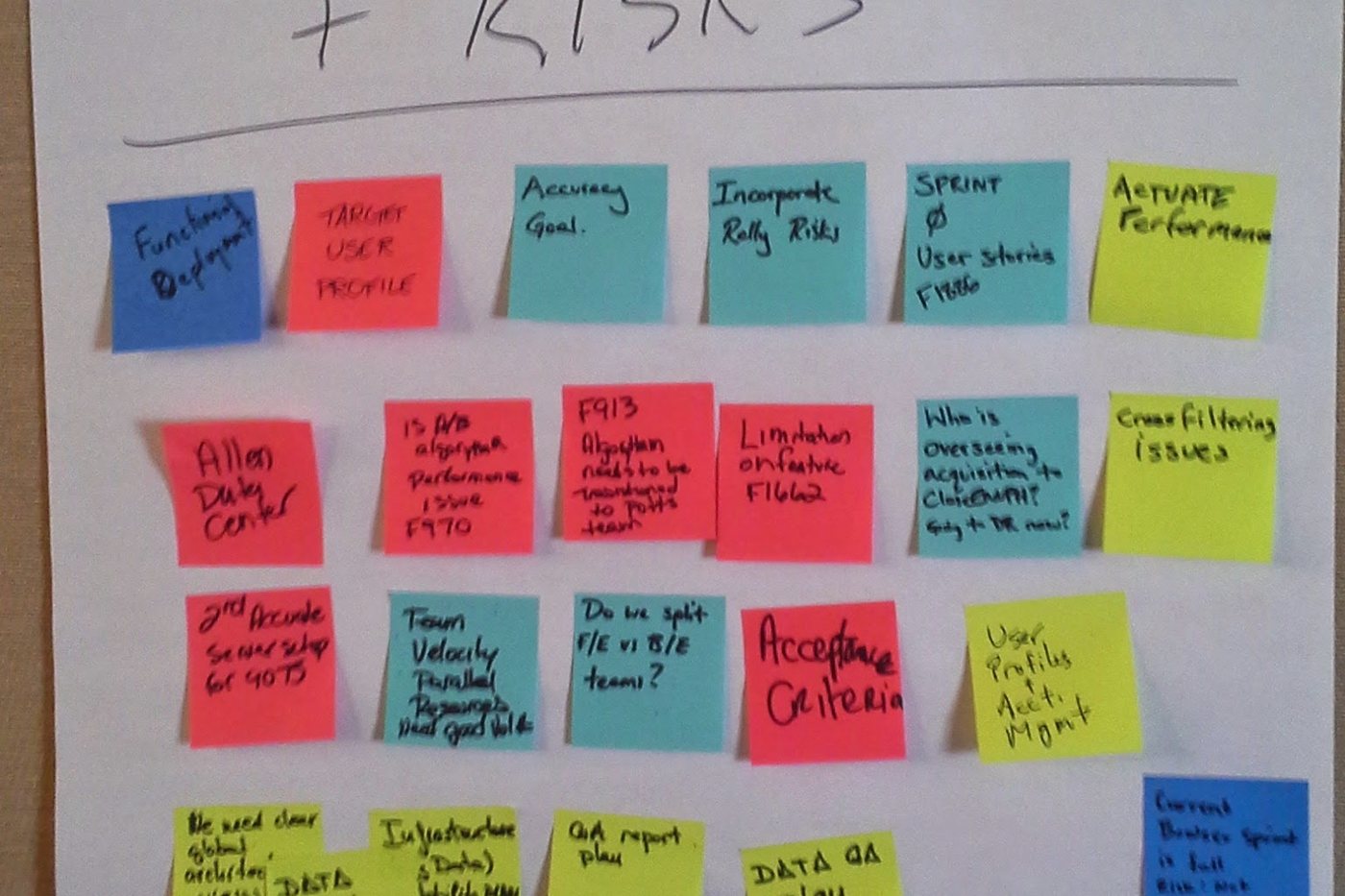
Getting what's blocking the work onto a wall, together.
Alignment Is the Only Velocity
We get what's blocking the work onto a wall, then sort it into decisions. Not a survey. Not a maturity assessment. It's about agreeing on the problem to solve together.
Improv instilled the confidence to say the unplanned thing out loud. Teams that bring that same adaptability to product work are the ones who actually deliver, no matter the framework — because alignment, not process, is the real velocity.
Teams who've already decided and want a senior person to endorse it.
I'm going to say the thing nobody's saying. If that's not what you want in the room, we'll both have a bad day.
Karl delivered a company-wide presentation of our AI Co-LAB strategic workshop series. His theme was ‘Alignment is the only velocity.’ It sounds like common sense, but everyone is so caught up in the chaos that the reminder actually grounded people - you have to set expectations to build trust, protect your time, and make real progress. We often don’t.
Jacqueline A. · AI Product Strategy, Verizon Value
What I admire most about Karl is his ability to lead with both innovation and humanity. He consistently fosters collaboration, encourages new ideas, and creates an environment where teams can do their best work.
Maria Y. · CRM Communications, Verizon Value
Some of this continues past the session - ongoing delivery work, or the next team. That's a conversation for after, not before.
If that sounds like your team, the next step is a thirty-minute call, not a proposal.
Start with a conversation →Curiosity tells me what to ask. Improv tells me how to listen for the answer. Product discipline is what makes the answer survive the next ninety days.
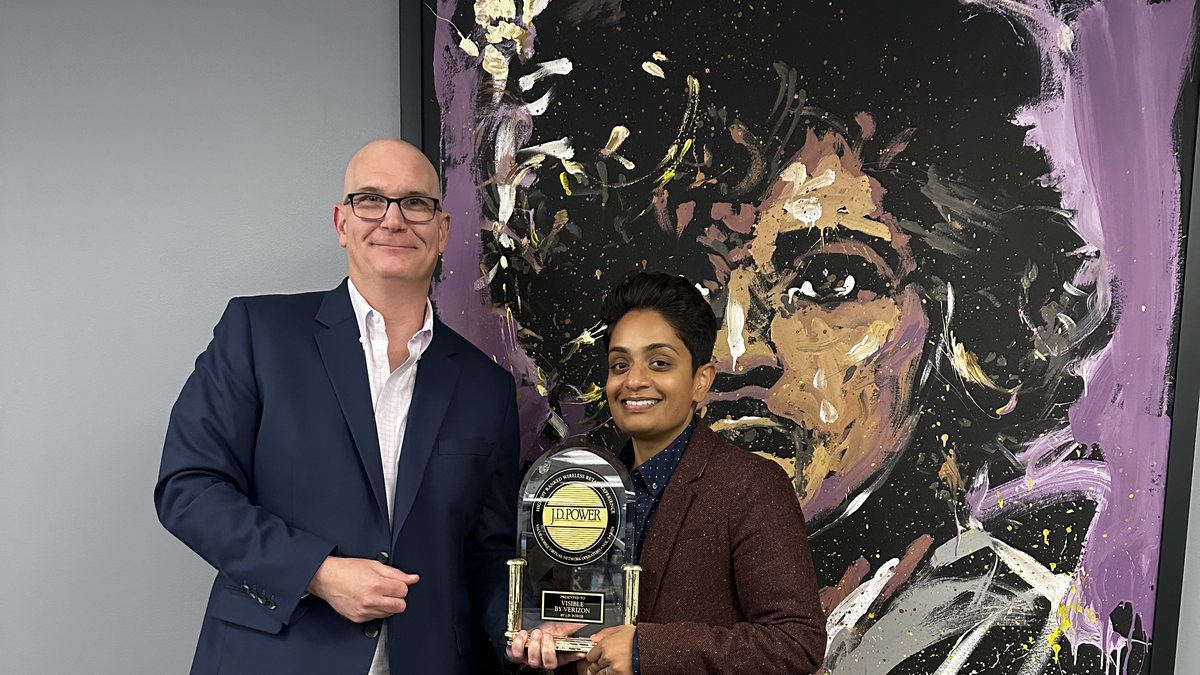
Visible - aligned decisions make delivery low-friction, and that's what gets recognized. JD Power, best-in-class customer experience.
In the work: Asking the questions your team stopped asking each other - sizing the problem and building a plan to get folks working through it.
Measure twice cut once, my dad always taught me. Solving your teams' current challenges requires the same approach. It also requires that we confirm the pain points or problems you think your teams are facing are the same ones they think they are. We can't all agree on the point on the horizon we need to head towards, until we all agree on where we're starting from and what we see in front of us. Always asking one more question helps us get there together.
In the work: Every room has an unsaid thing. It's almost never a secret, everyone just hates to go first. Kinda like improv.
Improv teaches that the yes-and is a response based on listening first, so getting everyone there first is the key. Once you do? I've watched product owners and marketing partners high-five when they land in the same place by completely different routes. Improv training gave me the tools to get people there without judgment — and that trust is the foundation every real conversation gets built on.
In the work: Preventing the stall before the start, we build operating cadences that keep the decisions from getting relitigated in month three.
Agile is the third training — improvisation fused with product and project-management discipline — and what it actually teaches has nothing to do with ceremony. The retro is where it always shows: either it produces real change, or it becomes a performance of what wasn't said earlier, and the friction just sits there, untreated. Alignment has to get built before the sprint starts, not recovered during it — accountability and results only hold when everyone agreed to them while there was still time to disagree.
Karl has a way of getting a room to say the thing everyone's actually thinking but hasn't said out loud. When we were figuring out Morristown Improv's structure, he'd put his own read on the table, clearly labeled as opinion, not verdict, then push us to actually work through it instead of nodding along. He names the tension, opens it up, and holds the group to deciding instead of letting it sit. That made our decisions faster and more honest.
Liam W. · Founder, Morristown Improv
When we were building Visible Global Pass, everyone wanted to take the path of least resistance. Karl was the one who said what no one wanted to say: ‘This doesn’t fit our Members’ expectations.’ We had a replication path from another brand, and he held firm and pushed us toward the experience Members actually wanted. It was the right decision - and Karl saying it is what led us to align around it.
Heta P. · Customer Experience and Product, Visible & Verizon Value
chose the AI-guided flow once it was optional and unincentivized.
ML/AI-powered external revenue product in company history. $500K first contract.
in annual savings identified from fee-collection optimization.
to pass the prior year's entire ticketed revenue, plus a governance model built to outlast me.
Product delivery frameworks, whatever you call them, run on agile, improvisational rails. Fifteen years shipping it for Fortune 500 companies. Twenty-five years teaching a room to do it live.
Decisions with names and dates on them. Not a report, not a maturity score. If your team leaves the room without knowing who owns what by when, the day didn't work and I'll say so.
It depends on your problem statement. My goal is to prep something we can react to and iterate on together, and that includes the plan itself. I aim to turn that initial spec overview around within five business days. Sometimes it's a day, sometimes it happens live in the first conversation if the challenge is contained enough. I won't know without talking to you.
Big enough to have process and small enough to still change what isn't working. That's most of the range between Series B and the Fortune 500. If you're pre-process, a session will just produce opinions.
Then you probably don't need me, and I'll tell you that on the call. What I find more often is that three people each know a different part of the answer and none of them has said it in the same room.
Both, and the line matters less than people think. Most stuck AI rollouts are stuck for product and organizational reasons, not technical ones.
Open to both. Full-time: senior product or CX, somewhere AI has to earn its place rather than decorate the roadmap. Fractional or interim: happy to talk, though it's not where most of my energy is right now — that's the facilitation work above. Same email either way.
No pitch deck, no intake form. Just a one-to-one conversation. Tell me what's going on and I'll tell you whether I can help, including if the answer is no.
Two sentences is plenty. I read all of these myself.
That didn't send - check the email address, or just write to me directly below.